
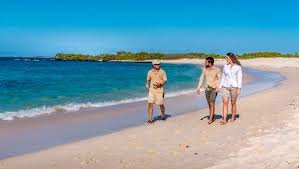
If you are researching accessible Galapagos travel, you are likely wondering whether the islands can accommodate mobility needs or physical limitations. While the Galapagos is a natural and protected environment, thoughtful planning makes a significant difference.
Because terrain and boat access vary by island, accessibility depends more on itinerary design than on the destination itself.
Is Galapagos Accessible for Travelers with Limited Mobility
The Galapagos Islands are not fully adapted in the same way as major cities. Many visitor sites include natural terrain such as sand, lava rock, or uneven coastal paths.
However, accessible Galapagos travel is possible when you choose:
Islands with easier walking routes
Shorter navigation times
Boats with safer boarding assistance
Moderate activity schedules
With proper coordination, travelers with limited mobility can still enjoy wildlife encounters and scenic landscapes.
Choosing the Right Islands
Not all islands present the same physical demands.
Santa Cruz Highlands offer relatively stable ground and lava tunnels.
Certain bays provide calmer snorkeling conditions.
Some visitor sites involve fewer elevation changes.
Therefore, selecting appropriate destinations reduces unnecessary strain.
Boat Boarding and Wet Landings
One of the most important considerations in accessible Galapagos travel is boat boarding. Many day tours use small boats that require stepping down onto docks or shallow water.
For that reason, assistance from crew members becomes essential. Communicating mobility limitations in advance allows operators to prepare accordingly.
Snorkeling and Activity Options
Snorkeling remains optional on most tours. Travelers who prefer not to enter the water can enjoy coastal walks and wildlife observation instead.
Additionally, life jackets and guided supervision increase safety for those who choose to participate.
Private vs Small Group Tours
Private tours often provide the highest level of flexibility. Guides can adjust walking pace, shorten routes, or extend rest periods as needed.
However, small group tours may also work well if the itinerary remains balanced and clearly explained.
The key is realistic communication before booking.
Planning Tips for Accessible Galapagos Travel
To improve comfort and safety:
Discuss physical limitations honestly
Ask about terrain conditions
Confirm boarding procedures
Avoid back-to-back long navigation days
Balance active days with lighter activities
This approach prevents fatigue and improves overall enjoyment.
Cost Considerations
Accessible Galapagos travel does not automatically mean higher cost. In many cases, adjustments involve itinerary design rather than additional services.
However, fully private arrangements or specialized assistance may influence the final price.
Final Thoughts
Accessible Galapagos travel requires thoughtful planning rather than avoidance. Because the islands remain a natural environment, flexibility and preparation are essential.
With the right operator and realistic expectations, travelers with mobility considerations can experience the wildlife, landscapes, and conservation beauty of the Galapagos safely and comfortably.