
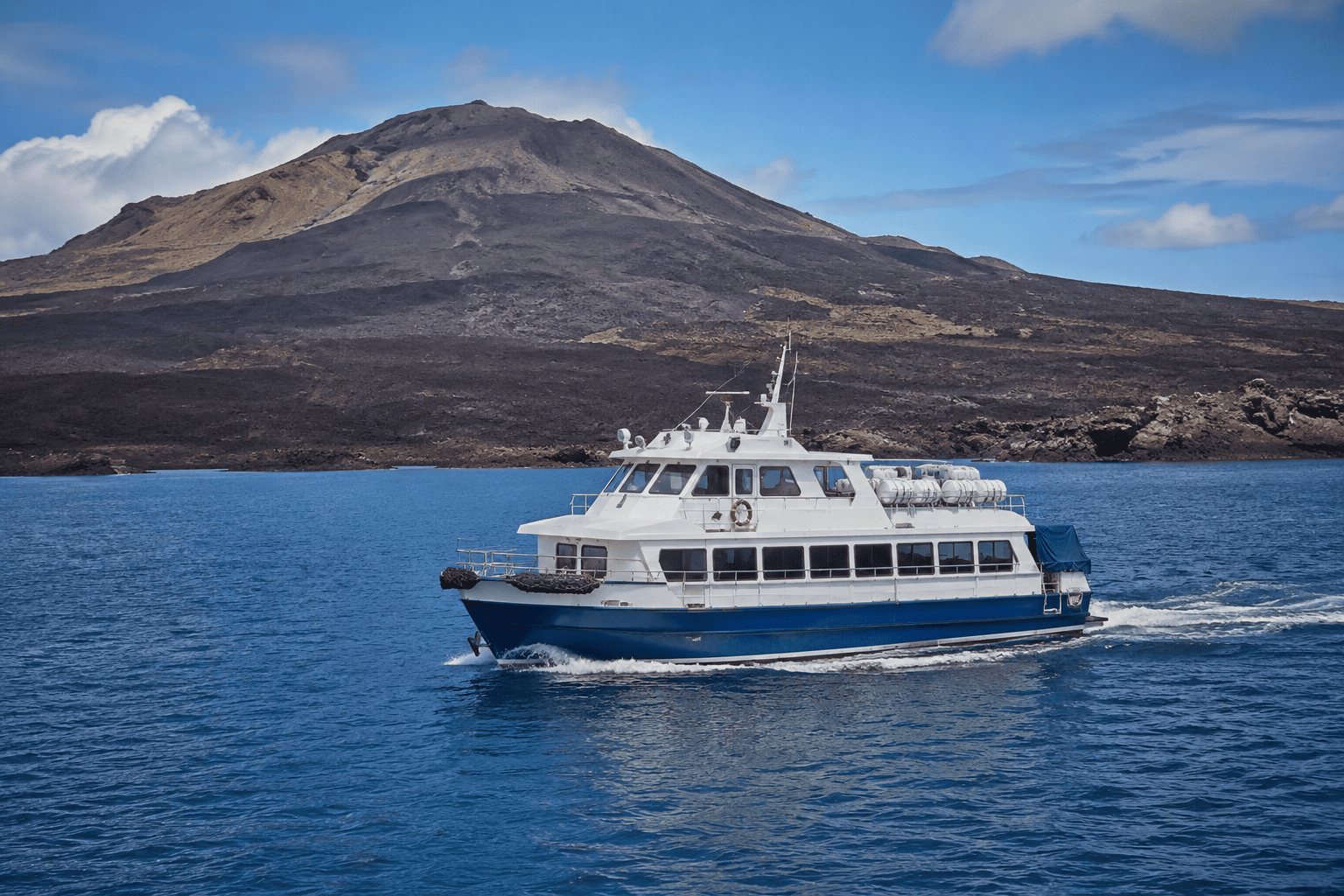
For many travelers, arriving in Isabela is one of the most exciting parts of a Galapagos itinerary. The island feels quieter, more open, and closer to the volcanic landscapes many people imagine before they visit. A ferry Santa Cruz to Isabela transfer is therefore more than a simple journey between islands: it is an important part of how the trip begins to change pace.
Because island-hopping involves boats, luggage, timing, and sea conditions, it helps to plan this route with a little more care than an ordinary transport connection. A well-organized transfer can make the move to Isabela feel much smoother from the start.
Why the Ferry Santa Cruz to Isabela Matters in a Galapagos Itinerary
Moving from Santa Cruz to a different kind of island
Santa Cruz is often the practical centre of a Galapagos trip, while Isabela is usually chosen for its beaches, volcanic scenery, wildlife, and more relaxed atmosphere. The transfer between the two islands is what allows travelers to combine both sides of the archipelago in one itinerary.
That contrast is one reason the route is so popular. Santa Cruz offers busy Puerto Ayora, visitor services, and a wide choice of activities. Isabela feels slower and more spacious. Planning the ferry properly helps travelers enjoy that transition instead of treating it as an inconvenient travel day.
A transfer that needs realistic expectations
A ferry Santa Cruz to Isabela journey should be approached as sea travel, not as a short city-to-city transfer. Departure timing, weather, boarding conditions, and the amount of luggage you carry can all affect the experience. Knowing this in advance helps travelers prepare more comfortably and avoid unnecessary stress.
It is always sensible to leave enough flexibility in the day, especially when connecting the ferry with accommodation check-in, tours, or other activities. A calmer schedule is often better than trying to fit too much into one arrival day.
Before You Board a Ferry Santa Cruz to Isabela: What to Plan in Advance
Luggage, personal items, and travel comfort
One of the most practical parts of booking this route is understanding what happens to your belongings during the transfer. Travel is easier when your personal item, carry-on, and main luggage are already considered as part of the service.
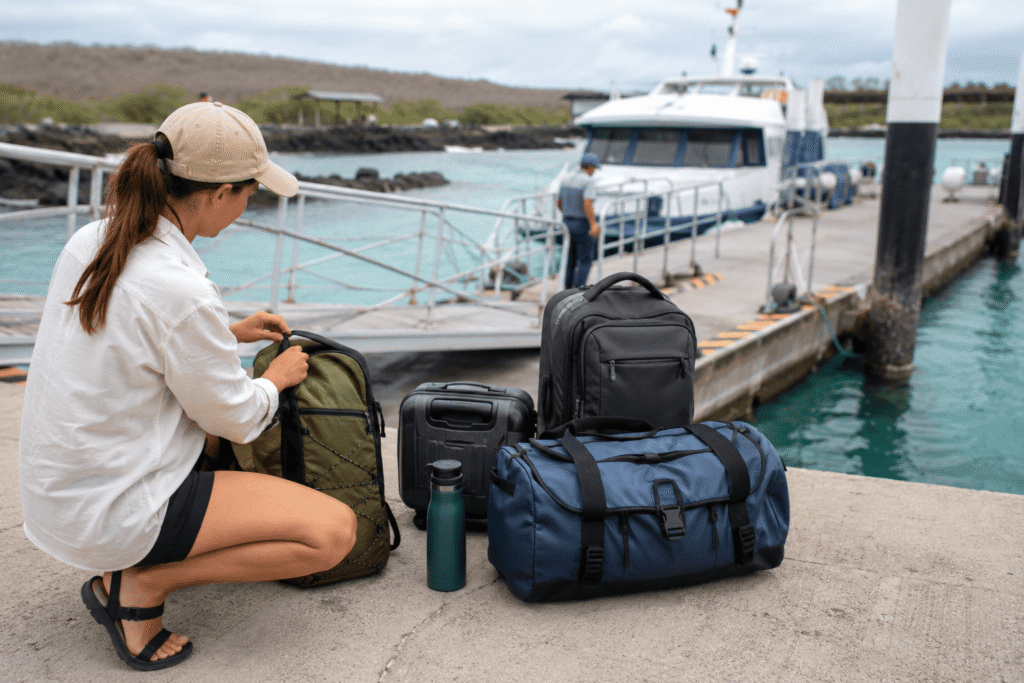
The available fare options can also matter. Some travelers may only need a straightforward transfer, while others may value extras such as storage lockers, coworking access, or a lunch box during waiting time. Choosing the right option is not always about luxury; sometimes it is simply about making the travel day more manageable.
Timing and sea conditions
Conditions in Galapagos can change, particularly when boats are involved. It is better to think of the ferry as part of the journey itself, rather than a fixed timetable with no variables. Confirm departure details before travel, keep essential items with you, and avoid planning a demanding activity immediately after arrival.
This is especially useful for visitors who are not used to boat travel. Staying hydrated, bringing sun protection, and keeping a light layer available can make the transfer feel more comfortable.
A Better Fit for Different Travel Needs
Support that makes a practical difference
For some travelers, the most valuable part of a transfer is not the boat alone. It is the support around it. Assistance with luggage, check-in, waiting time, and coordination can change how easy the route feels on the day.
That matters for people traveling with children, carrying equipment, managing a tight itinerary, or simply preferring more guidance. It can also be useful for older adults or travelers who need a little more time between steps.
Inclusive planning starts before the ferry leaves
A route does not need to be marketed as an “accessible experience” to benefit from thoughtful planning. Clear information about boarding, luggage handling, timing, and available support is what allows travelers to decide whether the transfer suits them.
For guests building a more personalized Galapagos itinerary, discussing needs before booking is often the best approach. Someone may need help with bags, a slower pace, or extra coordination between their hotel and the dock. Addressing those details early makes the trip feel more considered and more realistic.
Useful Information for Your Arrival in Isabela
Keep the first hours simple
Once you arrive, it is tempting to start exploring immediately. However, leaving space to settle in can make the first day on Isabela far more enjoyable. A relaxed walk, a meal, or time at the hotel may be a better choice than trying to fit in a full activity schedule straight away.
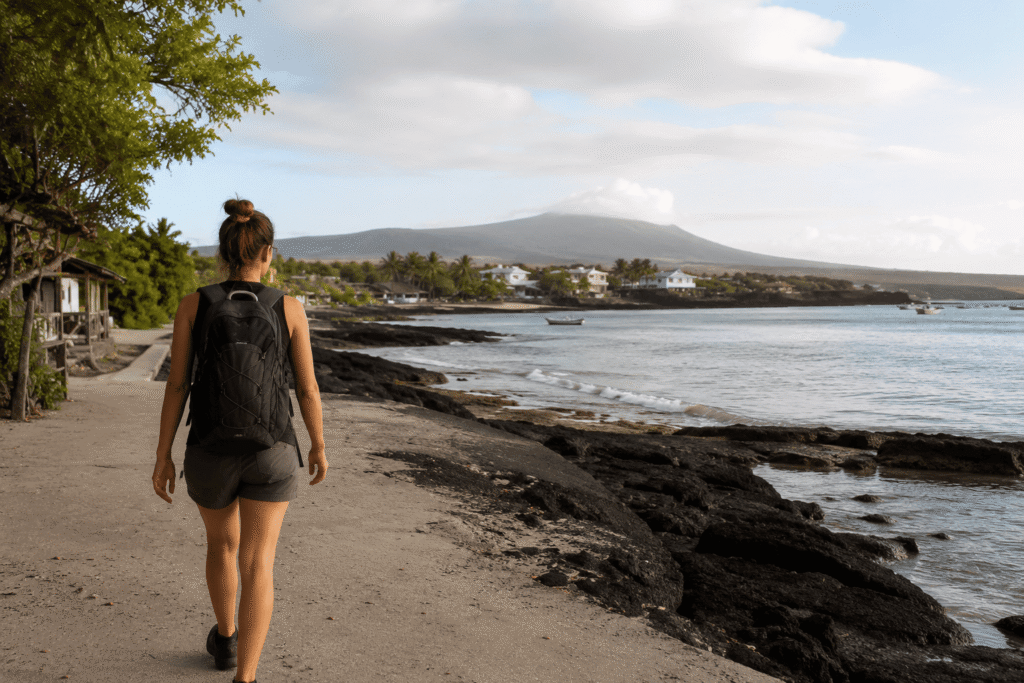
This is also a good moment to check the plans for the following day, confirm meeting points, and organize anything needed for future tours.
Travel responsibly between islands
Island-hopping is one of the best ways to understand the diversity of Galapagos, but it also takes place in a protected environment. Before travelling, visitors can review guidance from the Galápagos National Park to better understand local rules and responsible travel practices.
Respecting the destination begins with small choices, including how we move between its islands.
Final Thoughts on the Ferry Santa Cruz to Isabela
A ferry Santa Cruz to Isabela transfer is an important link in any island-hopping trip. With the right preparation, it can feel less like a logistical task and more like the beginning of a new stage of the journey.
Choosing a coordinated service with clear support, practical luggage options, and realistic travel planning can make the move to Isabela much more comfortable. Once there, travelers can slow down and enjoy one of the most distinctive islands in the Galapagos.