
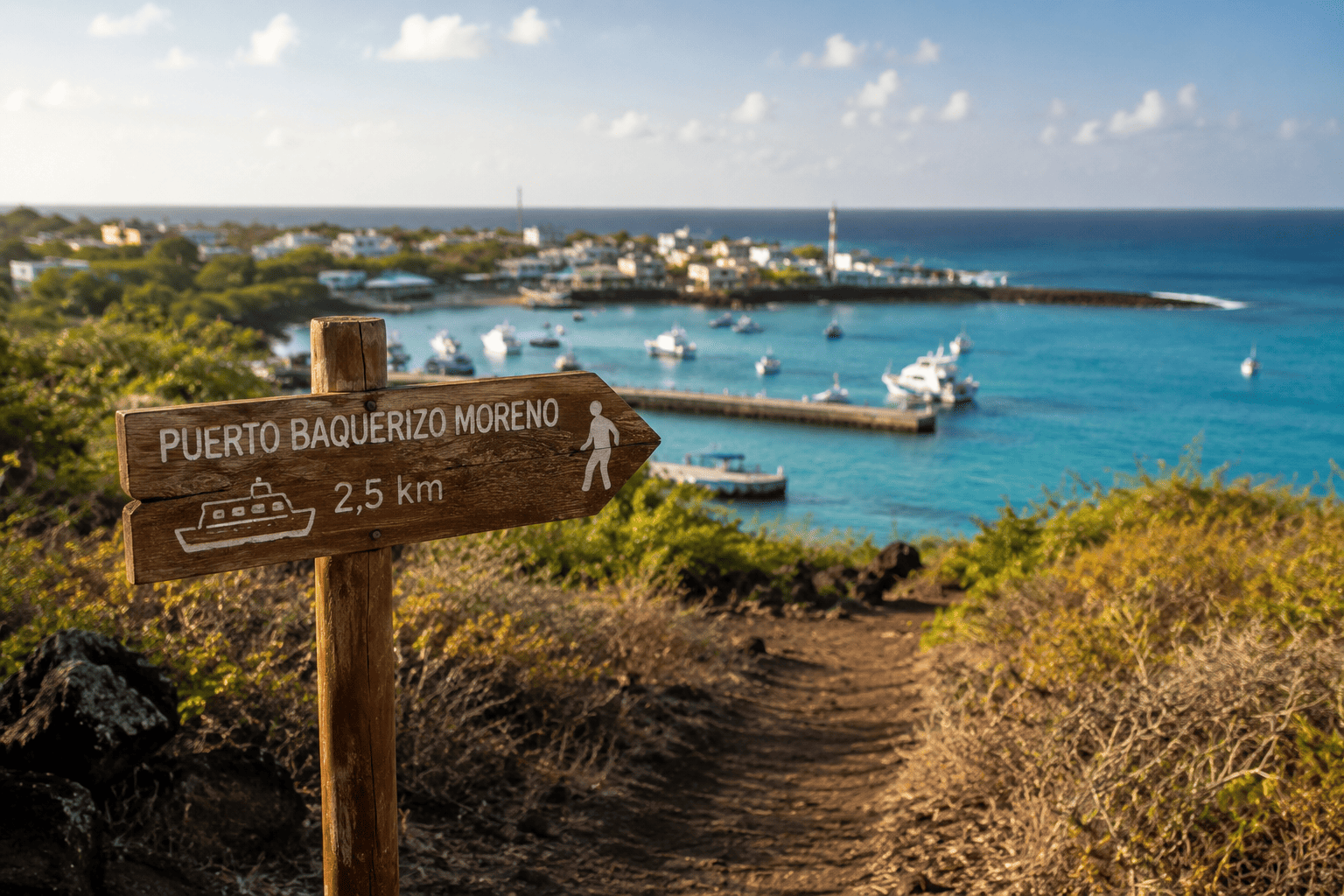
A ferry San Cristobal to Santa Cruz transfer is a practical step for travelers who want to continue exploring the Galapagos after spending time on San Cristobal. It can be the right choice for visitors returning to Puerto Ayora, connecting with another island, or simply adding Santa Cruz to the final part of their itinerary.
This is not a transfer to rush. It is a sea journey with boarding, luggage, changing weather conditions, and a different rhythm from travel on land. Planning the crossing as part of the experience helps make the day calmer from the beginning.
Why the Ferry San Cristobal to Santa Cruz Works Well for a Multi-Island Trip
Santa Cruz is one of the main connection points in the archipelago. From there, travelers can stay in Puerto Ayora, arrange another ferry, join a day tour, or enjoy a slower final stage before leaving the islands. The ferry San Cristobal to Santa Cruz makes it easier to combine two very different island experiences in the same trip.
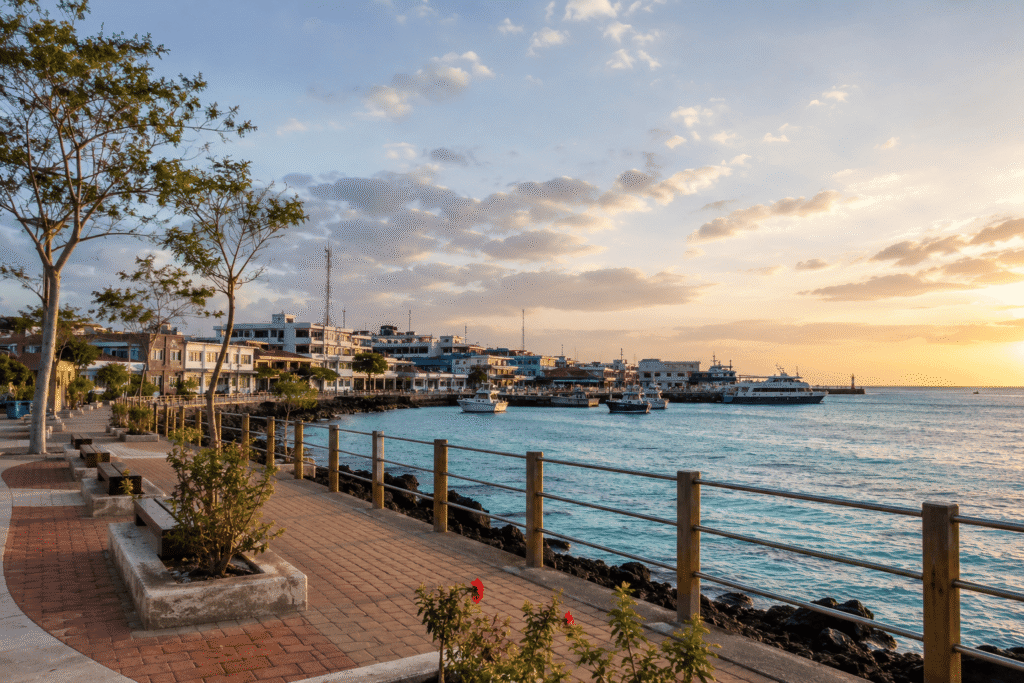
San Cristobal often feels more independent within an itinerary, while Santa Cruz brings together accommodation, activities, transport options, and services. For that reason, returning to Santa Cruz can be useful when you want to keep the rest of the journey flexible.
For a wider overview of routes between Santa Cruz, San Cristobal, and Isabela, review how the islands connect by ferry.
Before Boarding: Plan the Ferry San Cristobal to Santa Cruz Carefully
Keep the morning simple
The easiest transfer days are usually the ones with fewer commitments. Pack the evening before, confirm your booking details, and leave enough time for breakfast, hotel check-out, and reaching the departure point without pressure.
A ferry San Cristobal to Santa Cruz is much easier to enjoy when you are not trying to fit in one last demanding activity before boarding.
Try to keep personal documents, medication, valuables, water, sun protection, and a light layer in your day bag. This way, everything important remains close during the crossing instead of being packed away with larger luggage.
Allow room for sea conditions
Ferry travel in Galapagos depends on the route, weather, and local operating conditions. Crossing time is usually around two to two and a half hours, although it can vary. Leaving margin in your schedule is more useful than planning a tightly timed arrival.
Avoid booking something physically demanding immediately after reaching Santa Cruz. A relaxed arrival gives you time to check in, eat, rest, or review the next part of your plans.
Choosing a Ferry San Cristobal to Santa Cruz Ticket That Fits Your Day
The available service categories make it possible to choose a transfer according to the level of convenience you need. Essential includes the standard ferry service, a personal item, carry-on luggage, checked luggage, and personalized assistance.
Comfort adds practical extras such as lockers and coworking access during the waiting period. Premium includes those benefits plus a lunch box, showers, printer use, and the option to request a date or route change up to 72 hours before departure, subject to the stated conditions.
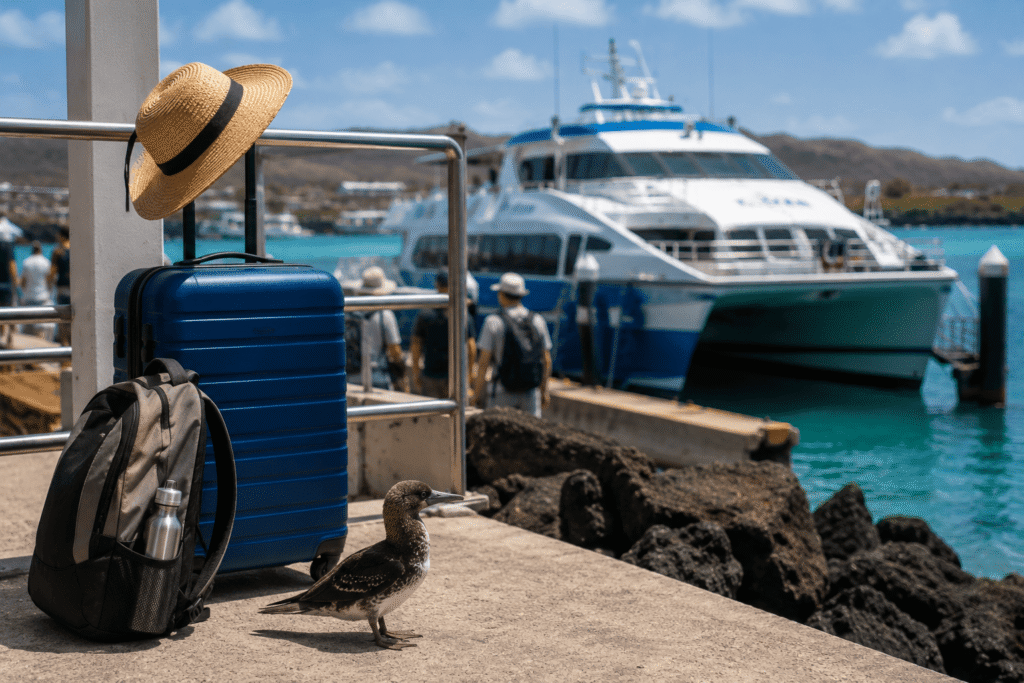
The best option is not always the highest category; it is the one that makes sense for your luggage, waiting time, and next connection.
You can compare the available ferry options before deciding which service suits your travel day.
What to Do Once You Reach Santa Cruz
Santa Cruz can feel busier after San Cristobal, so it helps to avoid overloading the first afternoon. Take time to settle in, walk around Puerto Ayora, have a meal, or confirm your plans for the following day.
This is also a useful point to decide whether you want to continue island hopping, book a local experience, or leave the next day free. A little space after arrival often improves the whole itinerary.
For visitors staying longer on the island, tours and services in Santa Cruz can help you plan the next stage at a pace that feels realistic.
When Coordination Matters More Than Extra Features
Some travelers need more than a basic ticket. Families with children, guests carrying several bags, people traveling with equipment, or visitors changing hotels more than once may benefit from clearer guidance before the day begins.
Questions about luggage handling, waiting arrangements, onward transport, and timing can be resolved before booking instead of at the dock. That kind of coordination is often what turns a ferry transfer into a smoother part of the trip.
Travelers looking for a route planned around their individual pace can also explore a more tailored itinerary. For official visitor information and responsible travel guidance, consult the Galapagos National Park.
Final Thoughts on the Ferry San Cristobal to Santa Cruz
A ferry San Cristobal to Santa Cruz is more than a way to move between islands. It can be the connection that brings the next part of a Galapagos itinerary together.
Choose the ticket that fits your day, keep your plans flexible, and leave enough time after arrival. With those details organized in advance, the ferry San Cristobal to Santa Cruz can feel like a well-planned transition rather than an interruption to the trip.